
EMDR Therapy in Melbourne
EMDR therapy for trauma, distressing experiences and other emotional difficulties
I offer Eye Movement Desensitisation and Reprocessing (EMDR) therapy for adolescents and adults in Moonee Ponds, Melbourne, as well as via telehealth.
EMDR is an evidence-based psychotherapy that can help people process distressing memories and experiences that continue to affect how they think, feel or respond in the present.
What is EMDR Therapy?
Eye Movement Desensitisation and Reprocessing (EMDR) is a structured psychotherapy approach designed to help people process distressing memories and experiences.
Sometimes difficult experiences can continue to feel emotionally intense long after they have occurred. Certain situations, thoughts, sensations or reminders may trigger emotions or reactions that feel connected to the original experience.
EMDR aims to support the brain's natural processing of these experiences so that memories can become less distressing and have less influence on how you feel and respond in the present.
During EMDR, you may be asked to briefly focus on aspects of an experience while engaging in bilateral stimulation, such as guided eye movements or alternating tapping. EMDR involves several phases, including assessment, preparation, processing and review, and therapy is paced according to your individual needs.
What Can EMDR Therapy Help With?
EMDR is best known for its use in treating trauma and post-traumatic stress disorder (PTSD), but it may also be used as part of therapy for other difficulties where distressing experiences, memories or learned emotional responses are contributing to current concerns.
Trauma and PTSD
Distressing or difficult life experiences
Childhood trauma and adverse experiences
Anxiety and fears
Phobias
Grief and loss
Difficult memories that continue to feel emotionally intense
Negative beliefs about yourself connected to past experiences
Emotional responses triggered by reminders of previous experiences
Whether EMDR is appropriate will depend on your individual circumstances. We can discuss this together as part of the assessment and therapy process, and EMDR does not need to be used simply because you have experienced trauma.
What Happens in an EMDR Session?
EMDR is not simply a matter of beginning eye movements and immediately processing difficult memories. Therapy starts with getting to know you, understanding what has brought you to therapy and considering whether EMDR is appropriate for your needs.
Before processing begins, we spend time preparing and developing strategies to help you manage distress and remain grounded. When you are ready, we identify the experiences or memories we would like to work on together.
During processing, you may briefly focus on aspects of a memory while engaging in bilateral stimulation. This can involve guided eye movements, alternating tapping or other forms of left-to-right stimulation. You are generally not required to describe every detail of an experience for EMDR to be used.
I will guide you through the process and regularly check in with you. EMDR is paced according to your needs, and you remain in control throughout the session.
EMDR for Trauma and PTSD
EMDR is widely used in the treatment of post-traumatic stress disorder (PTSD) and trauma-related difficulties. Trauma can involve a single distressing event or a series of experiences that have occurred over time.
Following trauma, people may experience intrusive memories, nightmares, avoidance, heightened alertness, strong emotional reactions, difficulties trusting others, or negative beliefs about themselves or what happened.
EMDR can provide a structured way of working with distressing memories and the thoughts, emotions and physical sensations associated with them. The aim is not to erase or forget what happened, but to help the experience become less distressing and less disruptive in the present.
When someone has experienced complex or longstanding trauma, preparation and pacing can be particularly important. Therapy is tailored to the individual rather than following the same process or timeframe for everyone.
EMDR in Moonee Ponds & via Telehealth
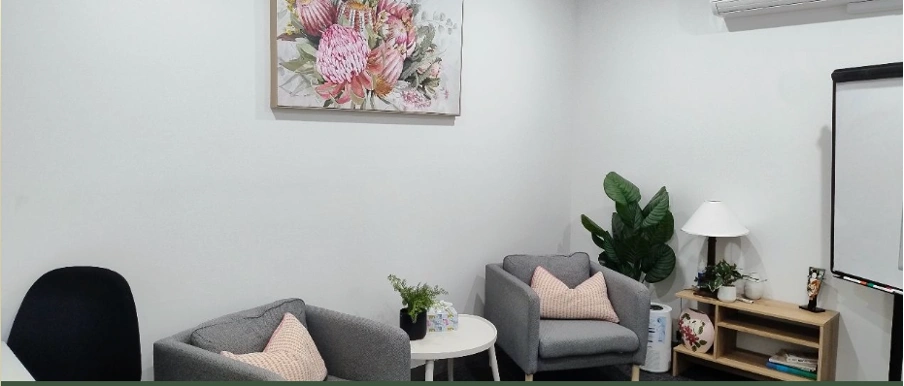
I offer EMDR therapy face-to-face from my consulting room in Moonee Ponds, Melbourne, as well as via telehealth for clients across Australia.
EMDR can be provided both in person and online. The way bilateral stimulation is used can be adapted to the format of the session, including eye movements or forms of alternating tapping.
We can discuss whether face-to-face or telehealth EMDR is appropriate for your circumstances and preferences as part of the initial assessment.
EMDR Fees & Medicare Rebates
EMDR is provided as part of my counselling and psychotherapy services and is charged at my standard individual counselling session fee.
As an Accredited Mental Health Social Worker and Medicare provider, eligible clients with a Mental Health Treatment Plan may be able to receive a Medicare rebate for sessions, including when EMDR is incorporated into their treatment.
Other funding arrangements may also be available depending on your circumstances.